You press the gas, the car lurches forward, the egg on the roof wobbles, and three seconds later it is cracked on the tarmac. You laugh, hit restart and try again. Twenty minutes pass before you notice.
Physics-based driving games are some of the most popular titles on browser game sites. They look simple, often run on a single key or two, and yet keep players coming back far longer than many big-budget games. That is no accident. Here is the design thinking behind the wobble.
Simple Controls, Unpredictable Results
Most physics driving games use only a few inputs: accelerate, brake and sometimes tilt. Anyone can learn them in seconds. The challenge comes from the physics engine, which turns those simple inputs into messy, realistic motion. Hit a bump too fast and the car flips. Brake too hard and the cargo flies off.
This gap between easy controls and hard mastery is what designers call “easy to learn, hard to master”. It invites beginners in and gives experienced players a reason to keep improving.
The Power of Instant Restart
Failure in these games is quick, funny and cheap. There is no long loading screen or lost progress, just a fresh attempt a second later. Because each run is short, the brain treats a new try as almost free, which feeds the famous “one more go” loop.
|
Design element |
What it does to the player |
|
Short runs |
Lowers the cost of failing and encourages another try |
|
Funny failures |
Turns frustration into laughter, so players stay relaxed |
|
Distance or score counter |
Gives a clear personal best to beat |
|
Procedural terrain |
Makes every run feel slightly different |
|
Unlockable vehicles |
Adds long-term goals beyond a single session |
Near Misses Keep Us Hooked
Psychologists have long studied the near miss. When you almost reach a new record, your brain reacts nearly as strongly as if you had succeeded, and you feel motivated to try again immediately. Driving games are full of near misses: the egg that wobbles on the edge but stays put, the car that lands upside down just past your best distance.
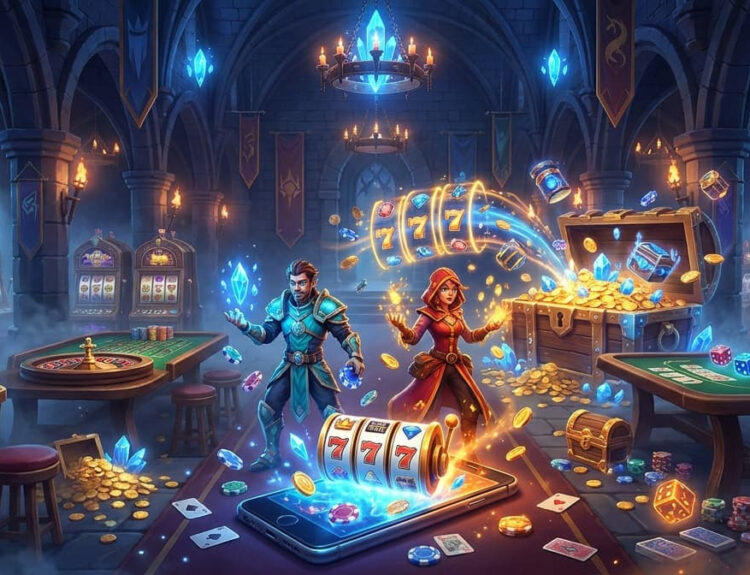
Designers in many entertainment fields understand this effect. Arcade machines, puzzle apps and slot games all use moments of tension and anticipation. A browser driving game and an Online Casino are very different experiences, but both rely on short rounds, quick feedback and the thrill of “almost”. The big difference for a player is that a free arcade restart costs nothing, which is why setting clear limits matters whenever real money is involved.
Mastery You Can Feel
The most satisfying part of physics games is that your improvement is visible. Early on you crash on the first hill. After an hour you are feathering the throttle, timing jumps and reading the terrain ahead. The skill lives in your hands, not in an upgrade menu, so every new record feels earned.
Why Browsers Are the Perfect Home
No installation: open a tab and play in seconds.
Short sessions: perfect for a coffee break or the commute.
Modern tech: HTML5, WebGL and now WebGPU make smooth physics possible even on modest laptops and phones.
Easy sharing: sending a link and a high score to a friend creates instant competition.
Tips for Beating Your Personal Best
Use less throttle than you think. Smooth speed beats raw speed on uneven ground.
Look ahead. Watch the next hill, not your car.
Learn the landing. Tilt to land on both wheels after a jump.
Take breaks. Fresh hands and eyes often produce the best runs.
Conclusion
Wobbly car games are a small masterclass in game design. Simple controls, realistic physics, funny failures and instant restarts combine into a loop that is easy to start and hard to stop. Next time you find yourself on attempt number fifty, you will know exactly why, and maybe that knowledge will help you finally get the egg home in one piece.