The history of computer games as a competitive element began back in the 1970s, when university programming clubs and students organized the first local tournaments. One of the first official events is considered to be the competition in the game Spacewar! at Stanford University in 1972. The winners at that time did not receive money prizes but, for example, a magazine subscription, which emphasized enthusiasm and interest in new technologies rather than the commercial aspect.
With the growing availability of personal computers and the development of the first networks, competitions gradually began to take on a mass character. By the 1980s, tournaments were being held in games like Space Invaders and Pac-Man, attracting thousands of participants. During this period, the idea of video games as a form of entertainment emerged, bringing together different generations and laying the foundation for the future of esports. In Europe, including Slovakia, such events were perceived as a technological wonder, while the players themselves were seen as pioneers of the digital era.
Browser Games and the Social Factor
A real surge in popularity came in the late 1990s and early 2000s, when the development of the internet allowed users to interact in real time. Browser games such as Travian or OGame became not just entertainment but a field for strategic battles, where not only individual skills but also the ability to build alliances were important.
Online tournaments in browsers formed a culture of collective participation and competitiveness, which later evolved into full-fledged esports practices. For players, it was similar to being part of online clubs, where excitement and dynamics resembled popular internet entertainments — from intellectual quizzes to virtual gambling platforms such as online casinos. Today, the best gaming solutions can be found on the website psoft.sk, which is well known in Slovakia as a source of modern platforms for digital entertainment.
Esports as a New Reality
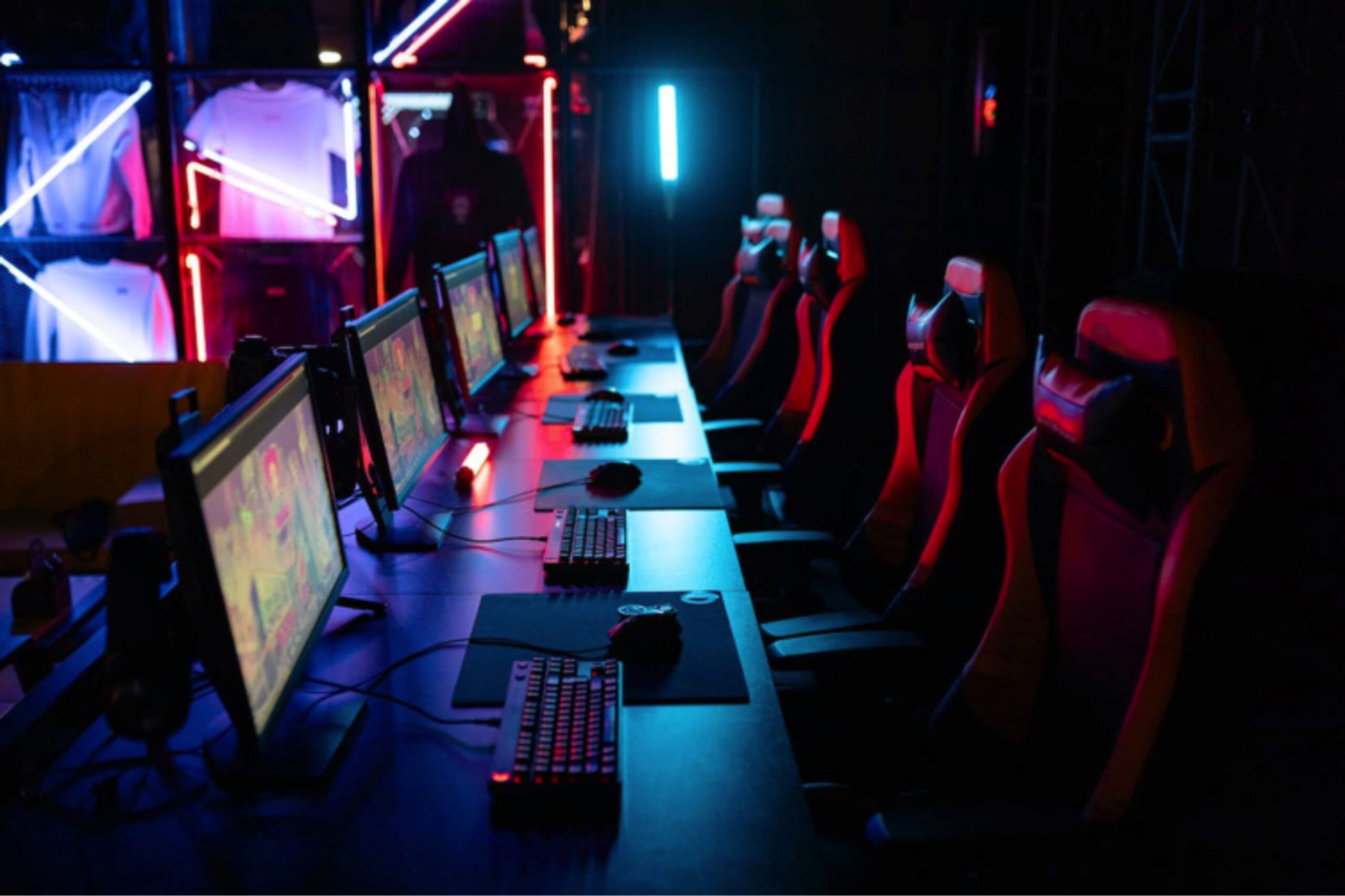
The concept of “esports” finally took shape at the beginning of the 21st century. Specialized tournaments appeared with large sponsors, broadcasts, and cash prizes. Games like Counter-Strike, StarCraft, and Warcraft III became symbols of a new era. South Korea played a key role in the popularization of esports: television channels broadcast matches, and professional players became national stars.
Over time, this trend spread throughout the world, and Europe was no exception. In Slovakia and neighboring countries, esports clubs began to develop actively, local tournaments were held, and young people increasingly saw games not only as a hobby but also as a career opportunity. The emergence of online streaming platforms such as Twitch and YouTube Gaming turned esports into a spectacular show available to millions of viewers.
Technology and Globalization
A key factor in the development of esports was the advancement of technology. High-speed internet, powerful graphics cards, and cloud services made it possible to hold tournaments on a global scale. Players from Slovakia could compete in real time with opponents from the USA or Japan, and esports events gradually reached the scale of traditional sports arenas.
Today, esports represents a complex ecosystem: professional leagues, major sponsors, sports organizations, and international championships with multimillion-dollar budgets. Participation in tournaments has become a profession requiring constant training, discipline, and psychological resilience.
Modern Perception and the Future
Today, esports is recognized as an official discipline in many countries, and some universities around the world are opening faculties where management and strategy of esports organizations are studied. In Slovakia, interest in esports is growing rapidly: national tournaments are held, student leagues are being formed, and young people are beginning to see video games not only as a way to relax but also as a path to development.
The merging of traditional sports and esports is becoming more and more obvious. Major football clubs, including European giants, are opening their own esports divisions, while sponsorship of major tournaments rivals that of traditional sporting events.
The future promises an even closer integration of virtual and real worlds. Augmented and virtual reality technologies, artificial intelligence, and cloud services will make esports even more accessible and spectacular. It is important to note that it was the gaming culture, which began with simple browser competitions, that became the foundation of this new global industry, uniting people all over the world, including Slovakia.
Conclusion
The development of competitions in computer and browser games has become an integral part of global digital culture. From modest student tournaments to world championships with multimillion-dollar budgets, the path has been swift and rich. Today, esports occupies a worthy place alongside traditional sports, attracting millions of viewers and opening new horizons for players. For Slovakia and other European countries, it is not just modern entertainment but an important social and cultural phenomenon that shapes a new generation and opens perspectives for the future in the world of virtual technologies and sporting emotions.