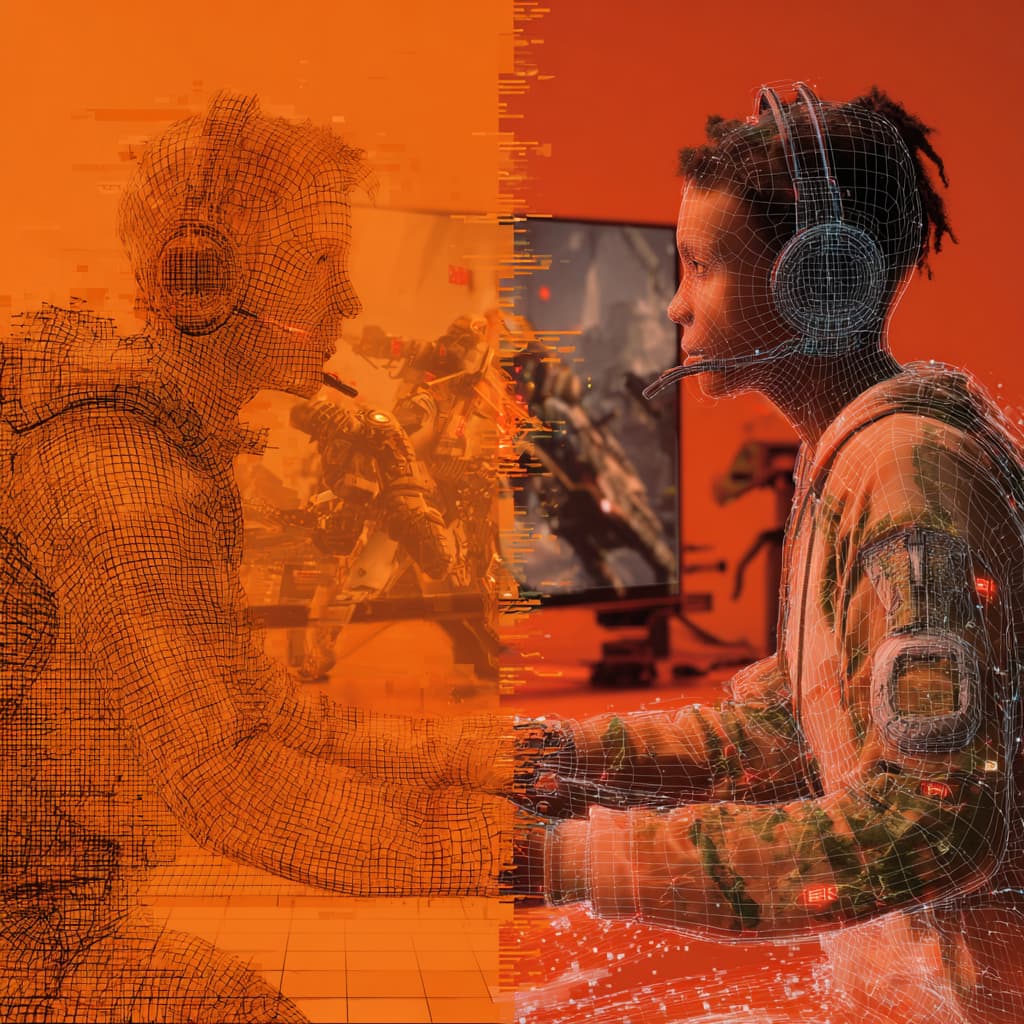
In the vast world of online gaming, one of the oldest and most defining distinctions lies between PvE (Player vs Environment) and PvP (Player vs Player) gameplay. Whether it’s slaying AI-controlled monsters in a fantasy realm or testing your reflexes and strategy against a real human opponent, these two styles offer entirely different experiences.
As gaming communities continue to grow and diversify, a key question emerges: Which combat style do modern gamers prefer – PvE or PvP? The answer is more nuanced than one might expect and is deeply tied to the evolution of game design, player psychology, and social dynamics.
Understanding PvE and PvP
Before diving into trends, it’s worth revisiting what defines each mode:
- PvE (Player vs Environment) refers to gameplay where players face off against computer-controlled enemies or challenges. Think of dungeon raids in MMORPGs, story-driven campaigns in action RPGs, or cooperative missions in shooters like Destiny 2.
- PvP (Player vs Player) involves competition between human players. This includes everything from 1v1 duels and battle royale matches to team-based strategy games and ranked multiplayer ladders.
While many games today offer both PvE and PvP modes, players often develop a strong preference based on personal playstyle, emotional gratification, and community interaction.
Why Players Love PvE
PvE remains a cornerstone of the gaming experience for several reasons:
- Story and immersion: Games like The Witcher 3, Elden Ring, or Horizon Forbidden West offer deeply immersive worlds with rich narratives. PvE allows players to experience these worlds at their own pace, often without pressure or judgment from others.
- Accessibility: PvE is more forgiving to new players. There’s no need to master lightning-fast reactions or memorize meta strategies to enjoy a well-crafted campaign.
- Cooperative satisfaction: Many PvE games focus on teamwork. In titles like Monster Hunter or World of Warcraft, players band together to defeat complex bosses – building camaraderie through shared effort.
- Freedom to experiment: PvE environments often encourage creativity. Players can try unusual builds, strange tactics, or explore non-linear paths without fear of being punished by highly skilled opponents.
The Appeal of PvP
On the other side of the spectrum, PvP offers its own powerful draws:
- Challenge and competition: For many, the real thrill comes from defeating another person. PvP offers a test of skill, strategy, and adaptability. Games like League of Legends, Valorant, and Fortnite thrive on this competitive tension.
- Evolving meta: In PvP environments, strategies constantly change as players adapt and innovate. This keeps gameplay dynamic and encourages continuous learning.
- Prestige and ranking: PvP systems often include leaderboards, tiers, or rankings – giving players a sense of progression and status within a global community.
- Social engagement: PvP fosters strong communities. Clans, guilds, and competitive teams often form around shared goals and rivalries, creating a vibrant social ecosystem.
Which Is More Popular in 2025?
Current data from gaming platforms, player surveys, and developer feedback suggests that hybrid models combining PvE and PvP are increasingly preferred – but PvE still holds a slight edge in terms of popularity.
Platforms like Steam and Epic Games report higher engagement in cooperative and single-player content, especially in the role-playing and survival genres. However, battle royales and MOBAs remain some of the most-watched genres on Twitch and YouTube.
In a 2024 survey conducted by GameTrends Global with over 15,000 respondents, 54% of players reported preferring PvE-focused games, while 39% preferred PvP. The remaining 7% cited no strong preference, often enjoying games that offer both.
Interestingly, age and experience influence preference:
- Younger gamers (13–25) tend to favor PvP modes, enjoying fast-paced action and streaming-friendly content.
- Older gamers (26+) increasingly prefer PvE for its relaxed pace and depth of content.
Games That Do Both – And Do It Well
Many of today’s top titles blur the line between PvE and PvP, giving players the freedom to choose how they engage:
- Destiny 2: A sci-fi shooter that mixes PvE story missions with competitive Crucible PvP matches and hybrid Gambit mode.
- Elden Ring: Primarily PvE, but includes PvP invasions and duels for those seeking extra challenge.
- Genshin Impact: Pure PvE, yet has built a massive online community and social competitive features.
- Call of Duty: Warzone: PvP-focused, but recent campaigns have emphasized cinematic PvE experiences.
This hybrid approach is winning over a broader demographic by allowing players to tailor the game to their mood and skill level.
What Developers Are Saying
Game developers are increasingly aware of these shifting preferences. Many studios have begun integrating optional PvP elements into primarily PvE games or offering dynamic matchmaking systems to create balanced PvP experiences.
Moreover, the rise of AI-powered PvE – with smarter enemies and more lifelike behavior – is closing the gap between PvE and PvP in terms of difficulty and unpredictability.
Meanwhile, competitive PvP games are investing more in tutorials, beginner-friendly modes, and non-toxic environments to reduce the entry barrier for casual players.
Conclusion: It’s Not PvE vs PvP – It’s Player Choice
While debates between PvE and PvP loyalists will always exist, the modern gaming landscape is more inclusive than ever. The best games no longer force players to choose between styles – they offer both and empower players to decide how they want to play.
Ultimately, the question isn’t “Which is better?” but rather “Which is better for you, right now?” Some days call for deep solo exploration; others call for adrenaline-fueled duels. And the games that succeed in 2025 are those that respect both.
For players, this means greater freedom, richer experiences, and a gaming ecosystem that adapts to their evolving tastes. Whether you live for the thrill of competition or prefer the comfort of an AI-controlled journey, one thing is certain: there has never been a better time to be a gamer.